 English


You can visit Valle del Cocora any time of year. It sits in Colombia's Andean zone, where there are no seasons like in other countries. What does change is the amount of rain, the cloud cover, and the number of visitors. Choosing the right month and, above all, the right time of day makes the difference between seeing the wax palms under clear skies or in the fog.
What the Weather Is Like in Valle del Cocora
The valley sits about 2.400 meters above sea level, so the climate is cool mountain weather. During the day, temperatures usually range between about 12 and 20 °C, and in the early mornings and at night they can drop further. The climate is humid, with frequent rain and quick changes: it's normal to start in sunshine and end in drizzle.
That same humidity sustains the cloud forest and green grasslands where the wax palms grow, which is why the landscape looks spectacular in any season.
Dry Season and Rainy Season
In the Coffee Region the year usually has two drier seasons and two wetter ones:
- Drier: December to February and June to August. There are more clear days, and the trails are in better condition.
- Wetter: March to May and September to November. It rains more often, especially in the afternoons, and the paths are muddier.
This is a general pattern, not a fixed rule: it can still rain during the dry months, and there are sunny days in the rainy ones. In addition, phenomena like El Niño or La Niña can shift the weather pattern from one year to the next.
The Best Time of Day: Early Morning
More important than the month is the time of day. At Cocora, mornings are usually the clearest. From midday on, fog often rises from the valley, and rain frequently arrives in the afternoon.
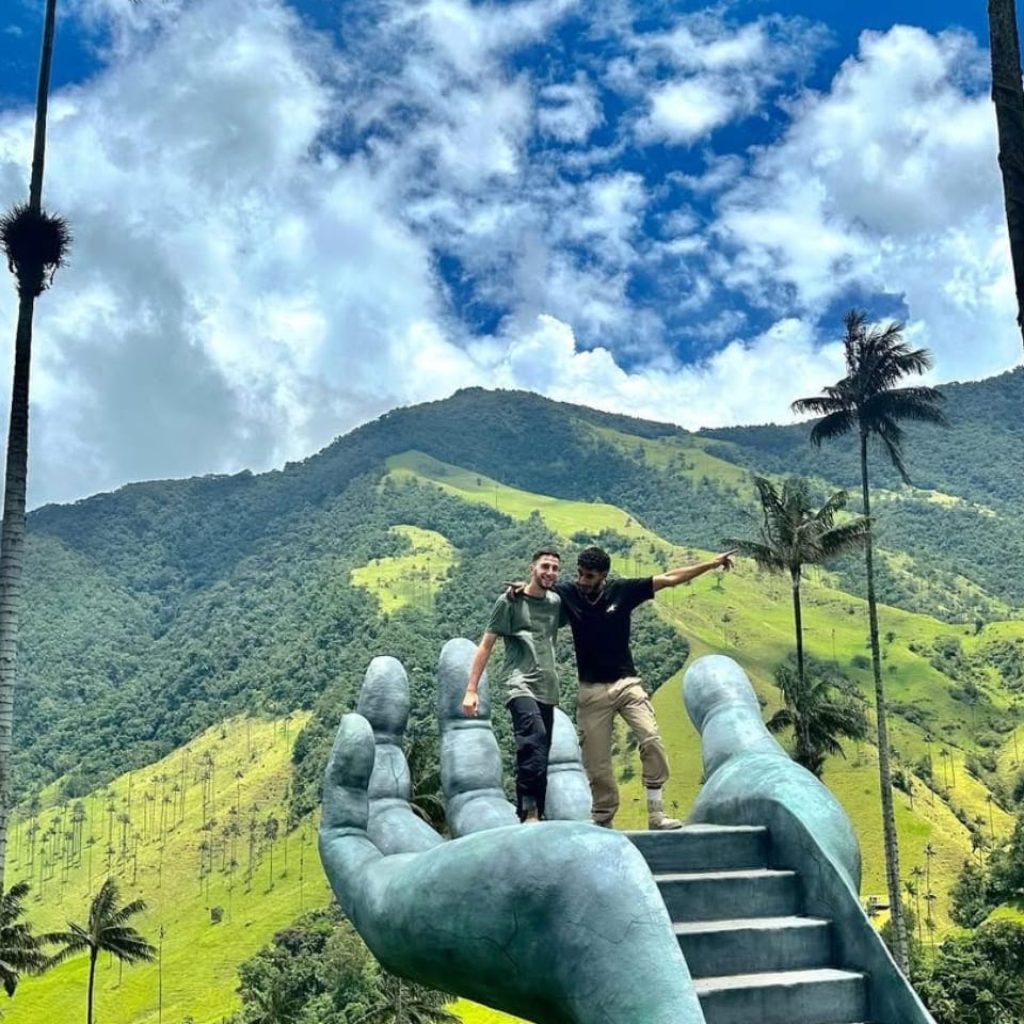
- For blue-sky photos: try to be in the valley before 9 in the morning.
- For the long hikes, such as the Hummingbird Circuit and 7 Bridges, start at first light so you finish before the rain begins.
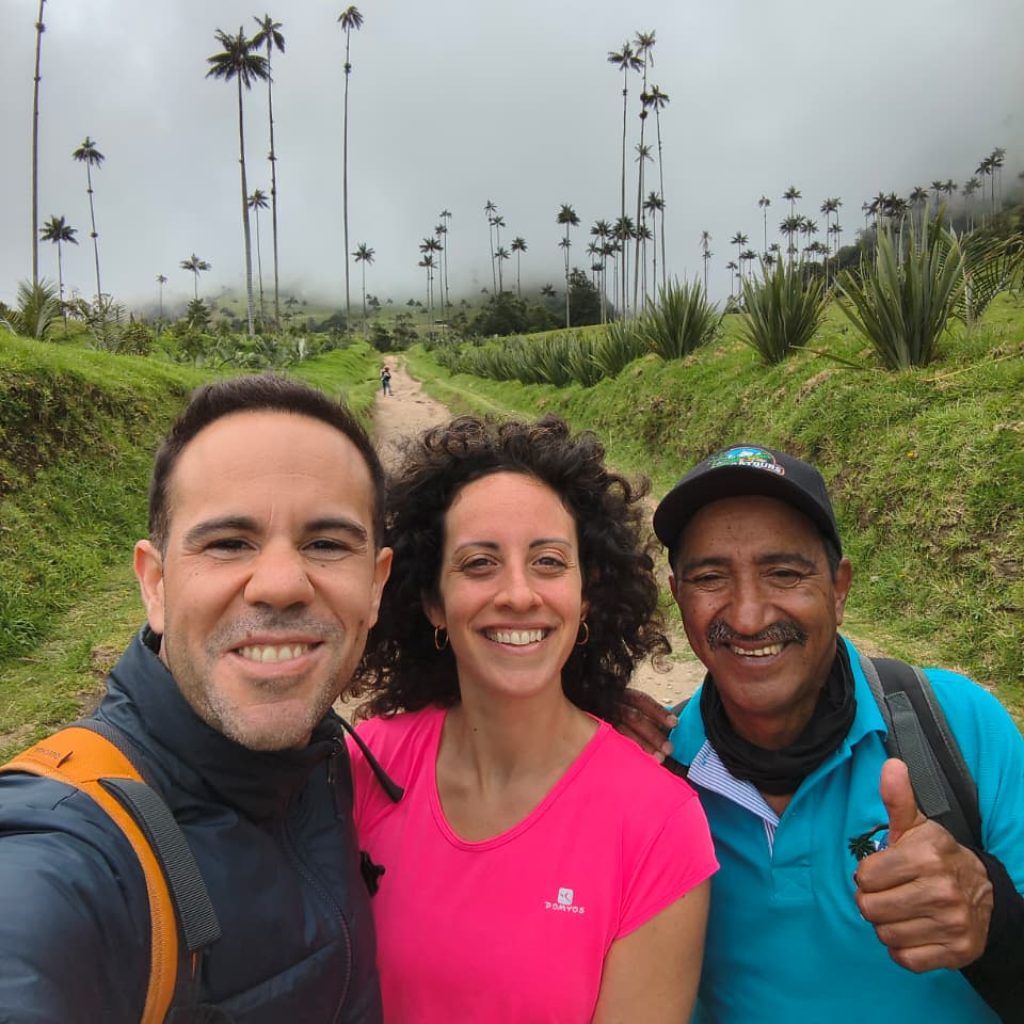
- Fog has its charm: palms among the clouds are one of the most beautiful sights in the valley. Don't rule out a visit on a cloudy day.
High Season and Low Season
Beyond the weather, think about how many people you want to share the trails with:
- Peak season: December and January, Holy Week, mid-year (June and July), and weekends with long holiday weekends. There are more visitors, lines for the jeeps, and it's best to book ahead.
- Low season: the rest of the year, especially Monday through Thursday outside of vacation periods. The trails are calmer, and you can enjoy the valley's quiet more.
Which Season to Choose Based on Your Plans
- Long hikes: the driest months, when the trails are in better condition.
- Horseback rides: offered all year. During the rainy season, horses make the muddy stretches easier; check the horseback rides in Valle del Cocora.
- Camping: best in the dry seasons, when the nights are clearer. Check the camping options at Cocora.
- Photography and birdwatching: the first hours of the morning, in any month.
What to Pack for the Season
- Rain jacket or poncho, even in the drier months.
- Shoes with good grip; in the rainy season, waterproof shoes or rubber boots are better.
- Layered clothing: it's cold in the morning and warm when you walk in the sun.
- Sunscreen and a cap: at this altitude the sun burns even when the day feels cool.
Frequently Asked Questions
Is it worth visiting Valle del Cocora if it's raining?
Yes. With good gear, the visit is just as enjoyable, and fog among the palms creates unique scenery. What's wise is to choose shorter routes if it's raining hard.
What's the best month to go?
If you want a better chance of clear skies, January, February, July, and August are usually good months. If you prefer fewer crowds, look for weekdays outside of vacation periods.
How do I get there from Salento?
We explain it in our guide to how to get to Valle del Cocora.
Tours in Valle del Cocora
 Mini adventure in the heart of CocoraFrom $ 80.90
 Day trip to Valle del Cocora and Santa Rita waterfallFrom $ 161.80
 Day trip to Valle del Cocora and Salento, QuindíoFrom $ 122.97


Comment (0)